

The best homes are designed around the way you live, while quietly building lasting value for the future.
Thoughtful architecture creates spaces that feel timeless, adaptable and enduring, qualities that will always resonate with future buyers.
A home is one of the biggest investments you'll ever make. While trends come and go, thoughtful design has lasting value. From natural light and intuitive layouts to quality materials and considered detailing, the decisions made at the design stage continue to shape how a home performs for years to come.
The good news is that most of these decisions cost little or nothing extra when they're made early. Moving a living room to the sunny side of the section, or allowing space for storage, is simple on the drawing board. Changing it once the frames are up is a different story.
Across the Bay of Plenty and Waikato, these are the design decisions we see add the most lasting value.
The design decisions that add lasting value:
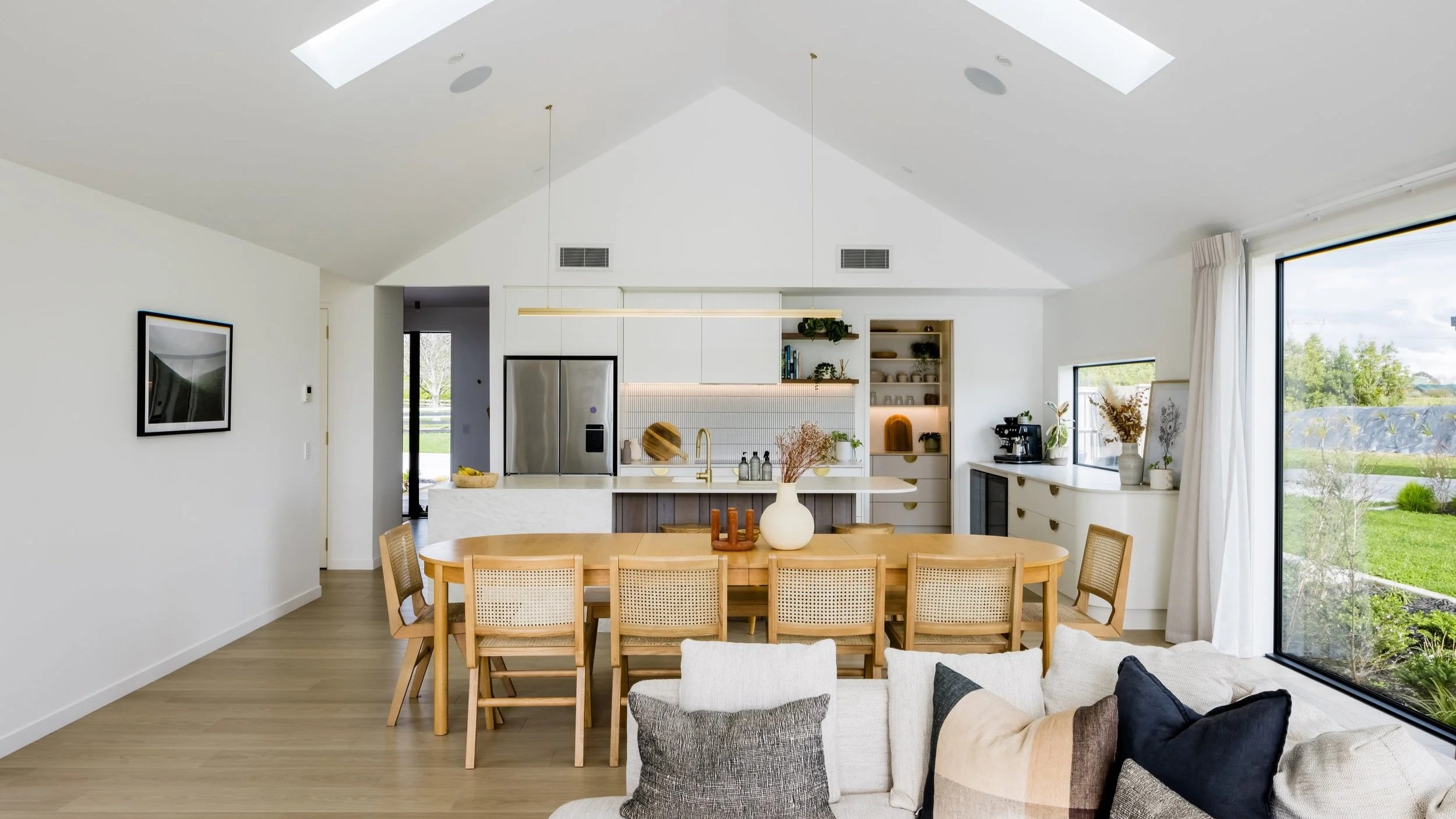
NATURAL LIGHT: Bright, well-oriented spaces feel larger and more inviting.
TIMELESS MATERIALS: Quality finishes that age gracefully.
FLEXIBLE LAYOUTS: Rooms that can evolve with changing lifestyles.
INTEGRATED STORAGE: Practical solutions that reduce clutter.
INDOOR-OUTDOOR CONNECTION: Spaces designed to maximise liveability and entertaining.
WARM, HEALTHY, EFFICIENT PERFORMANCE: A home that's comfortable to live in and affordable to run.
Natural light
Bright, well-oriented spaces feel larger and more inviting.
Light is the first thing people notice when they walk into a home, and it's one of the hardest things to fix later. In New Zealand, that usually means putting the main living spaces on the north side, where they get sun through the middle of the day. Bedrooms and service spaces like the garage, laundry and bathrooms can sit to the south.
Good light design isn't just about big windows. Eaves and overhangs can keep high summer sun out while letting low winter sun deep into the room. Clerestory windows and skylights can bring light into the middle of a deeper plan. Window placement can capture a view or a patch of garden without giving up privacy from the neighbours.
The payoff is a home that feels warmer, uses less heating and lighting, and photographs beautifully when it's time to sell.
Timeless materials
Quality finishes that age gracefully.
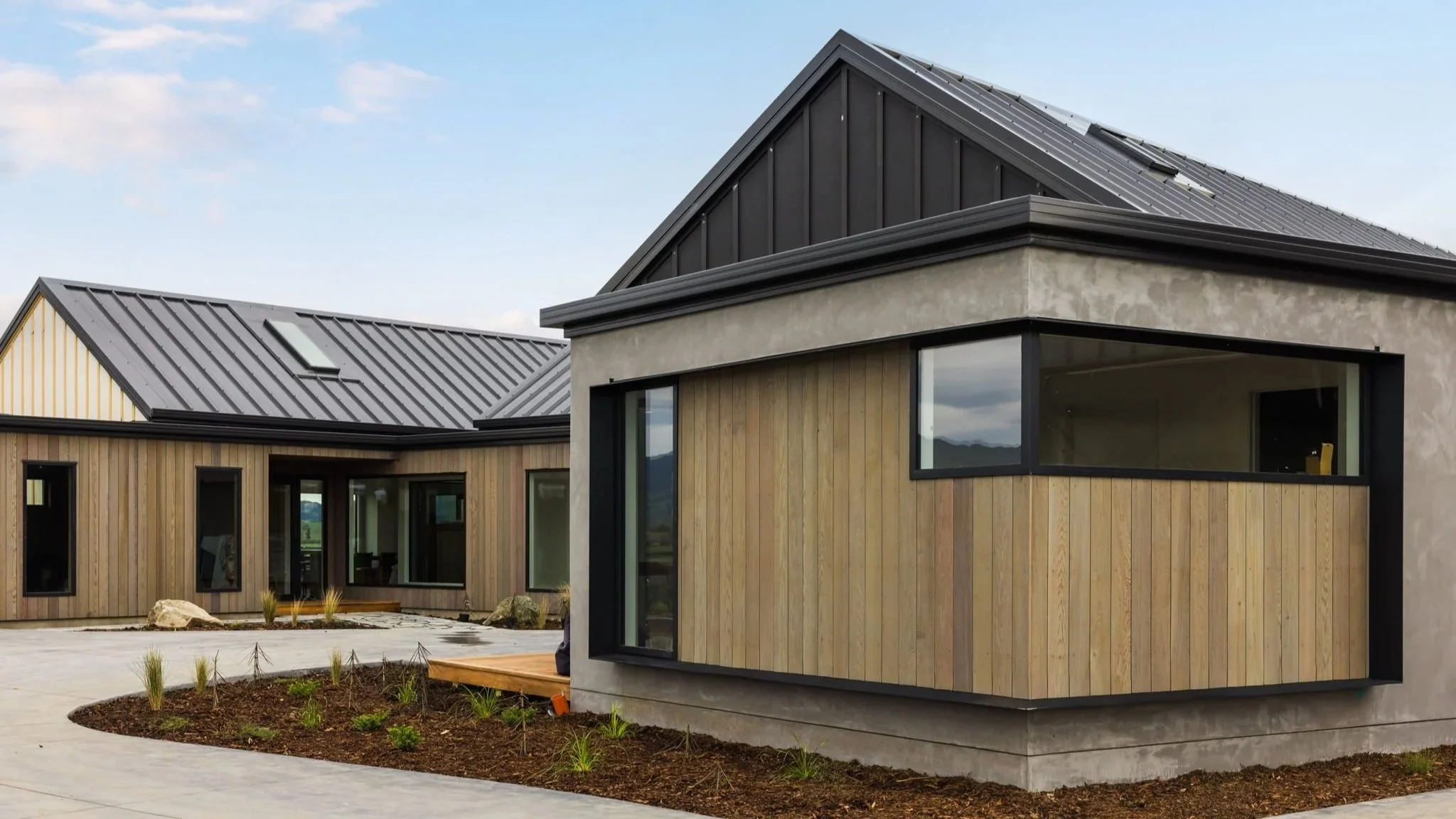
The materials you choose decide how your home looks in ten or twenty years, not just on handover day. We favour a restrained palette of honest, durable materials over whatever is trending this season. A bold feature can look dated quickly; a well-chosen cladding, a natural timber accent or a quality stone bench-top tends to hold its appeal.
Maintenance matters just as much as looks. In coastal Bay of Plenty conditions and through Waikato's wet winters, materials need to cope with salt, moisture and UV. On our Pods on Pilot project in Ngāhinapōuri, the brief called for the look of timber without the upkeep. The result pairs dark vertical cladding with warm timber accents placed where they're protected and easy to care for.
Buyers notice a home that has aged well, and they notice one that needs repainting and re-staining even more.
Flexible layouts
Rooms that can evolve with changing lifestyles.
The way a household lives changes over time. A nursery becomes a teenager's room, a spare room becomes a home office, and parents or grown-up kids may move back in. A layout that can adapt to those changes stays useful for longer, and appeals to a wider range of buyers.
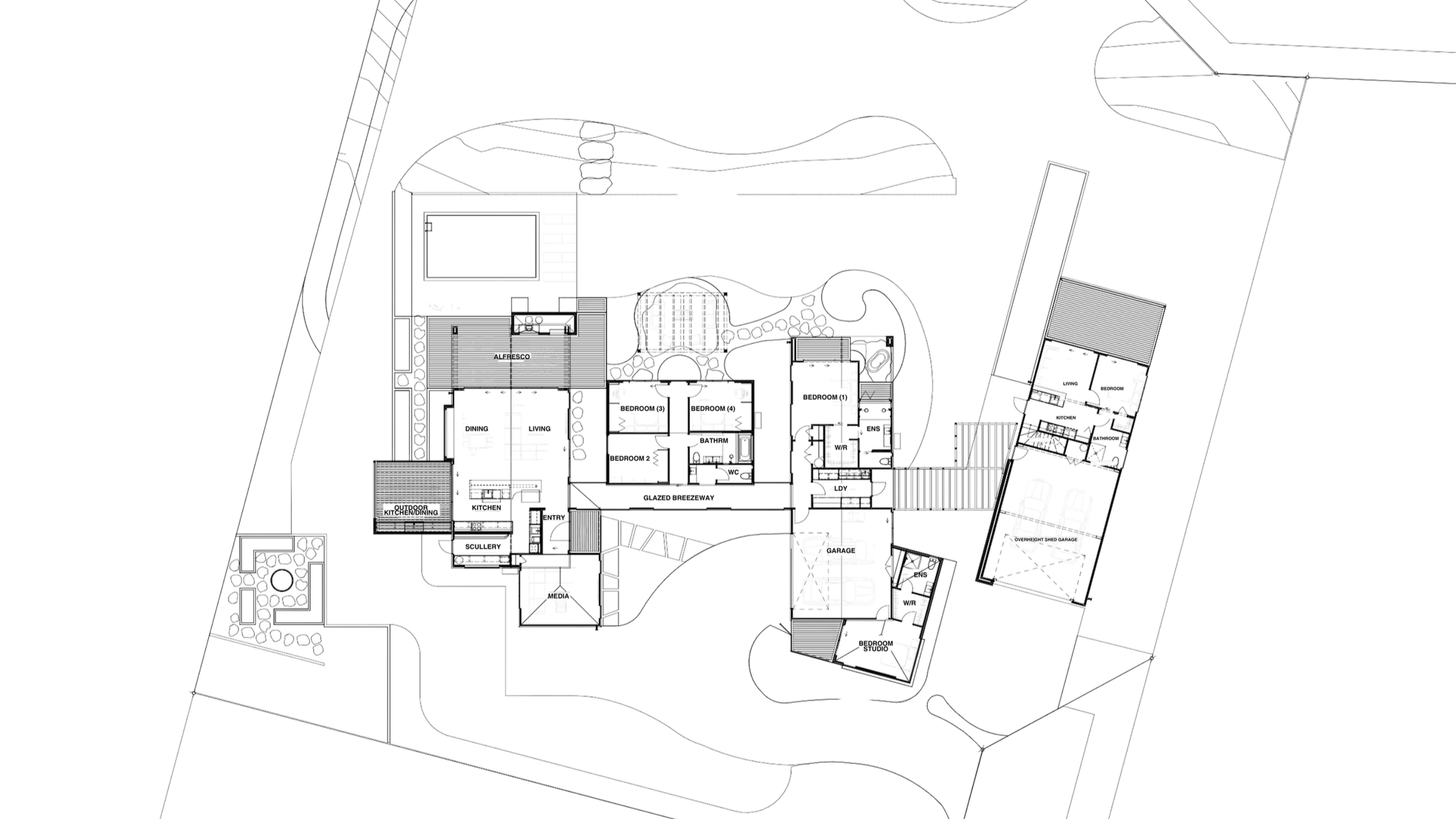
In practice, that can mean a second living area that works as a media room, playroom or guest suite. It can mean a bedroom near the entry that doubles as an office, or a zoned plan that separates parents from kids. On Pods on Pilot, three separate pods split the garage and master suite, the kids' bedrooms and the living spaces, giving everyone privacy without losing connection.
We also think about the future during design: wider doorways, a level entry and a bathroom that can be adapted later all help a home work at every stage of life.
Integrated storage
Practical solutions that reduce clutter.
Storage is rarely the exciting part of a brief, but it's one of the things people complain about most once they move in. Planned from the start, it disappears into the design and keeps the living spaces calm and uncluttered.
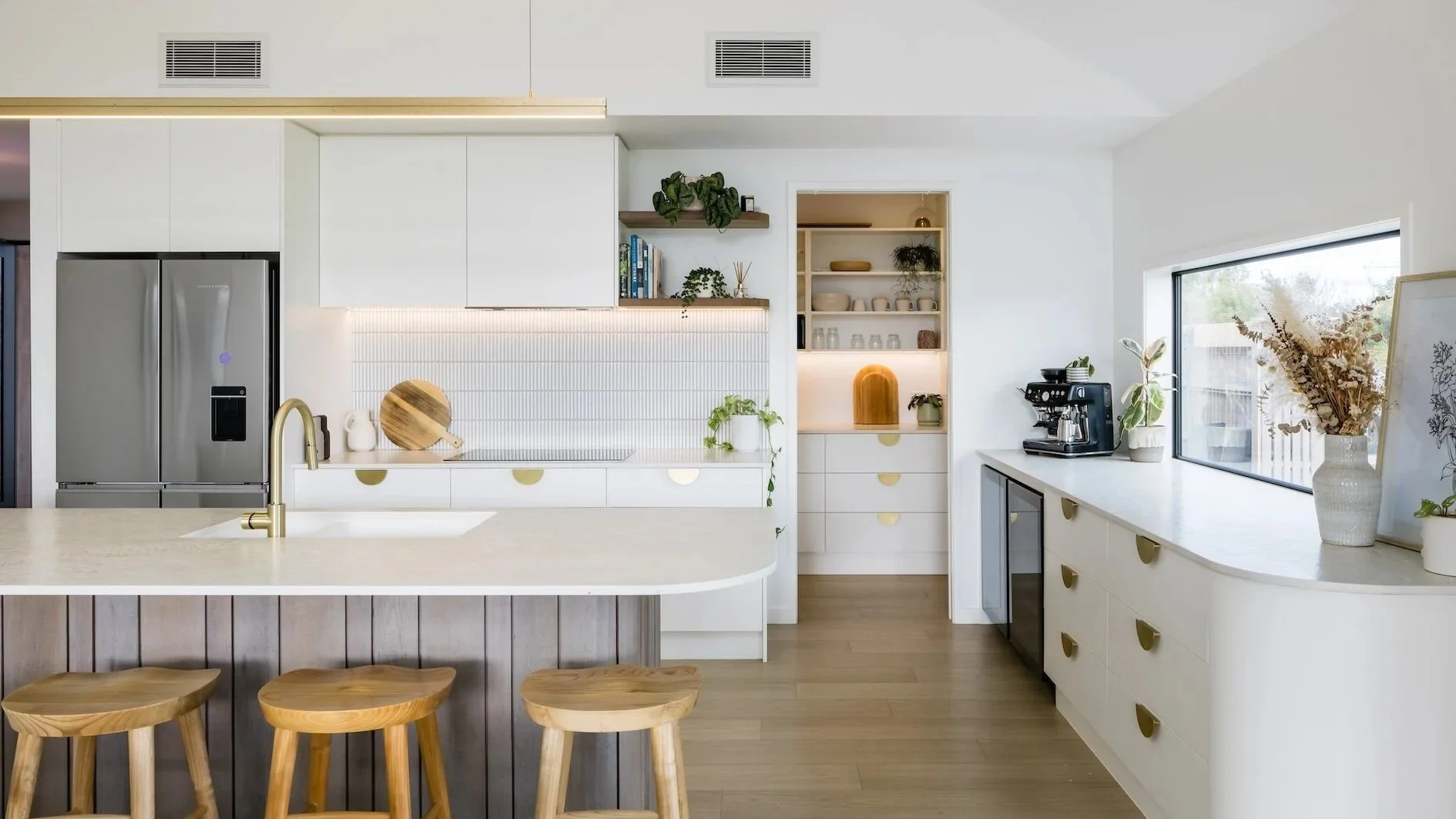
The spaces that earn their keep are a scullery or walk-in pantry behind the kitchen, and a mudroom or drop zone near the garage entry for bags, shoes and coats. A walk-in robe, a linen cupboard near the bedrooms and a garage with room for more than just the cars also make a big difference. In our State Highway Lifestyle home in Newstead, Hamilton, a walk-in scullery with lit open shelving and drawers sits just off the kitchen. A long run of deep drawers along the window bench keeps everyday items close at hand and out of sight.
Buyers walking through an open home are quietly asking, "where would our stuff go?" A home that answers that question well sells itself.
Indoor-outdoor connection
Spaces designed to maximise liveability and entertaining.
Indoor-outdoor flow is close to the top of most Kiwi wish lists, and for good reason. A living area that opens onto a sheltered deck or courtyard effectively makes the home bigger for much of the year.
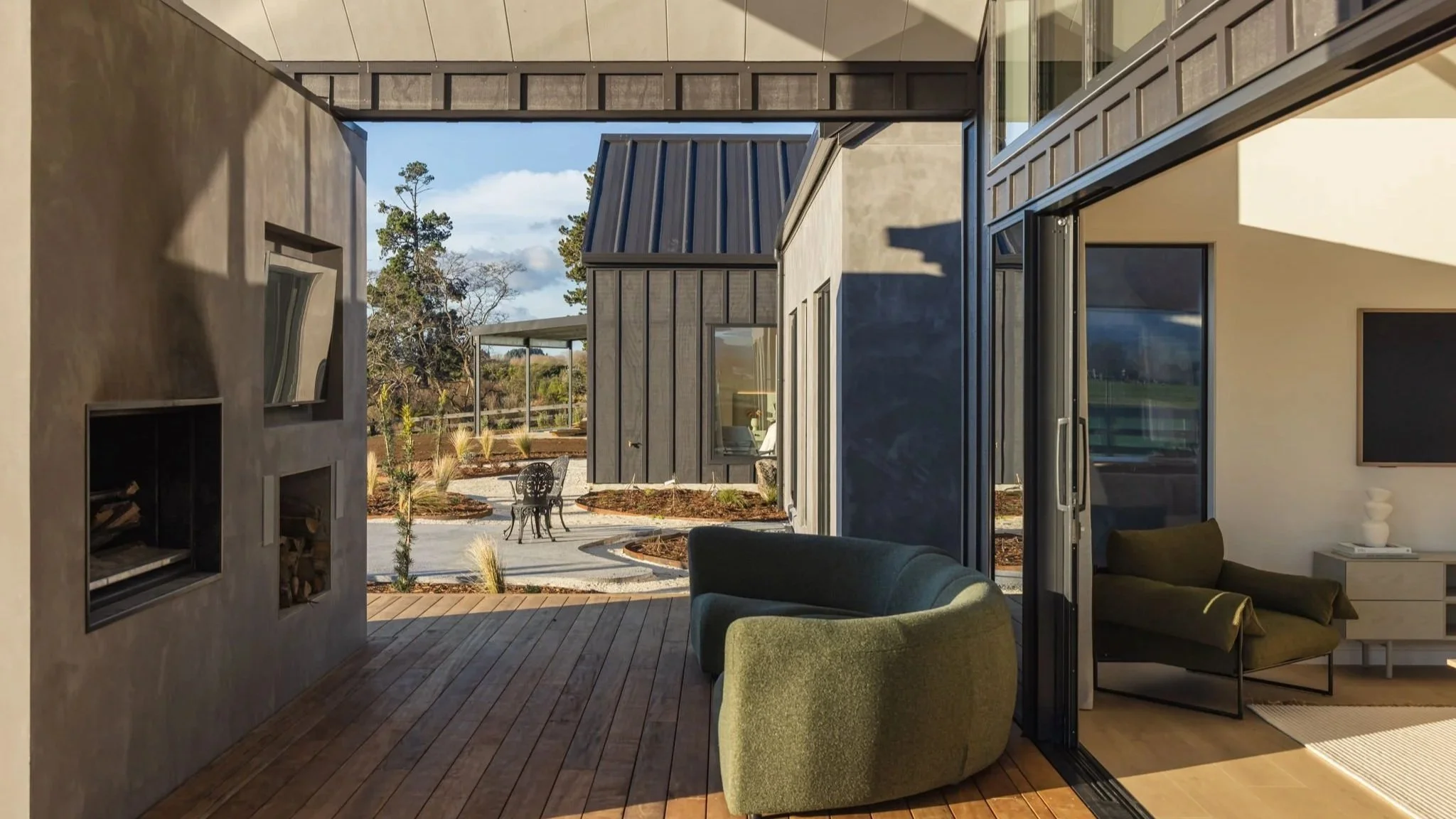
The key is shelter. An outdoor space that's exposed to the prevailing wind or baking in the afternoon sun won't get used. We plan outdoor areas around sun, wind and privacy, often using the building itself to create sheltered courtyards. Covered outdoor rooms, pergolas and outdoor fireplaces extend the season further.
At Pods on Pilot, the gaps between the three pods form a series of sheltered courtyards. A sculptural half-height chimney anchors the outdoor living area, alongside the several terraces, so there's always somewhere comfortable to sit.
Warm, healthy, efficient performance
A home that's comfortable to live in and affordable to run.
The value of a home isn't only in how it looks. More and more buyers are asking how warm, dry and expensive to run a home is, and a well-designed home has a good answer.
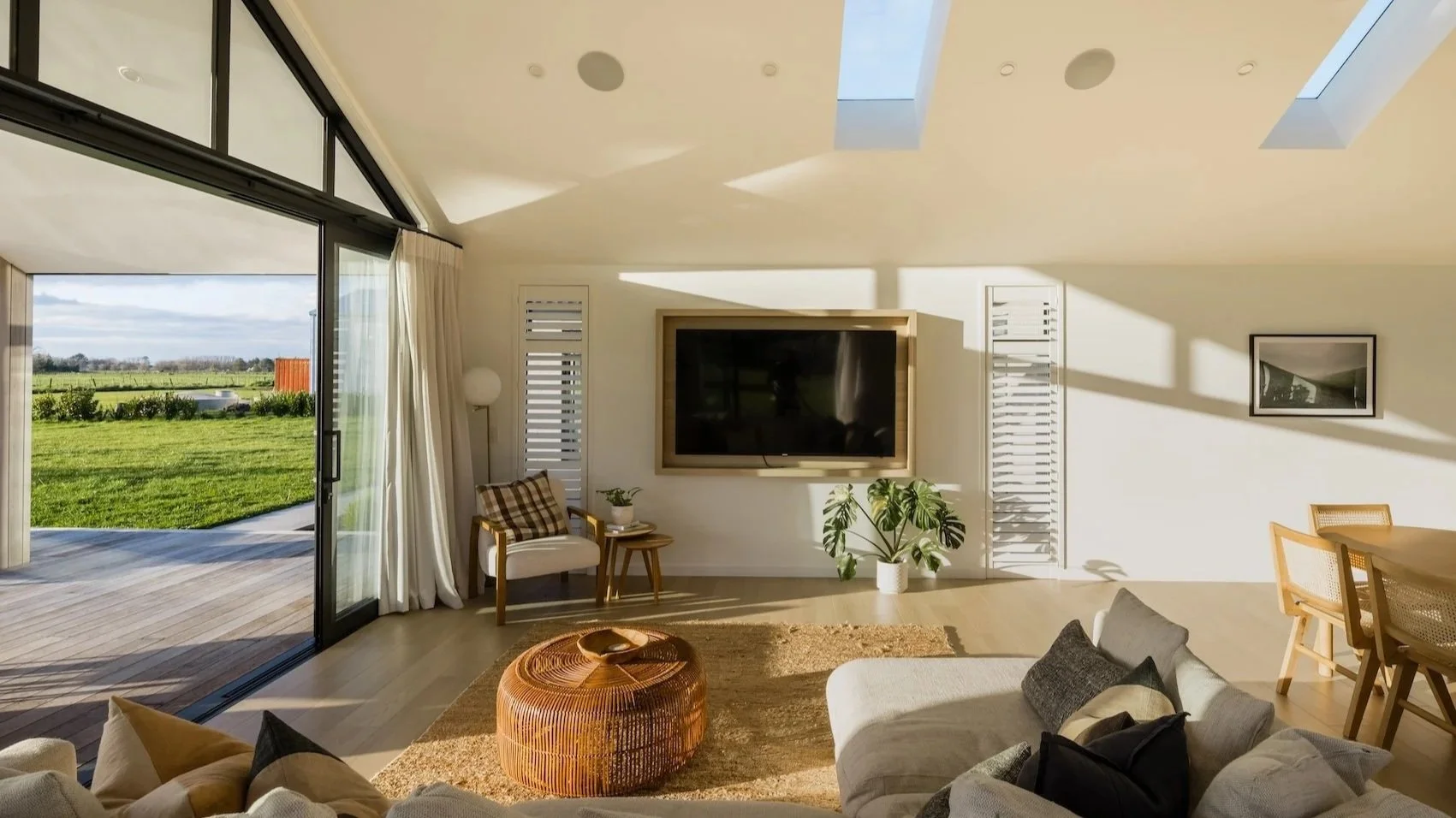
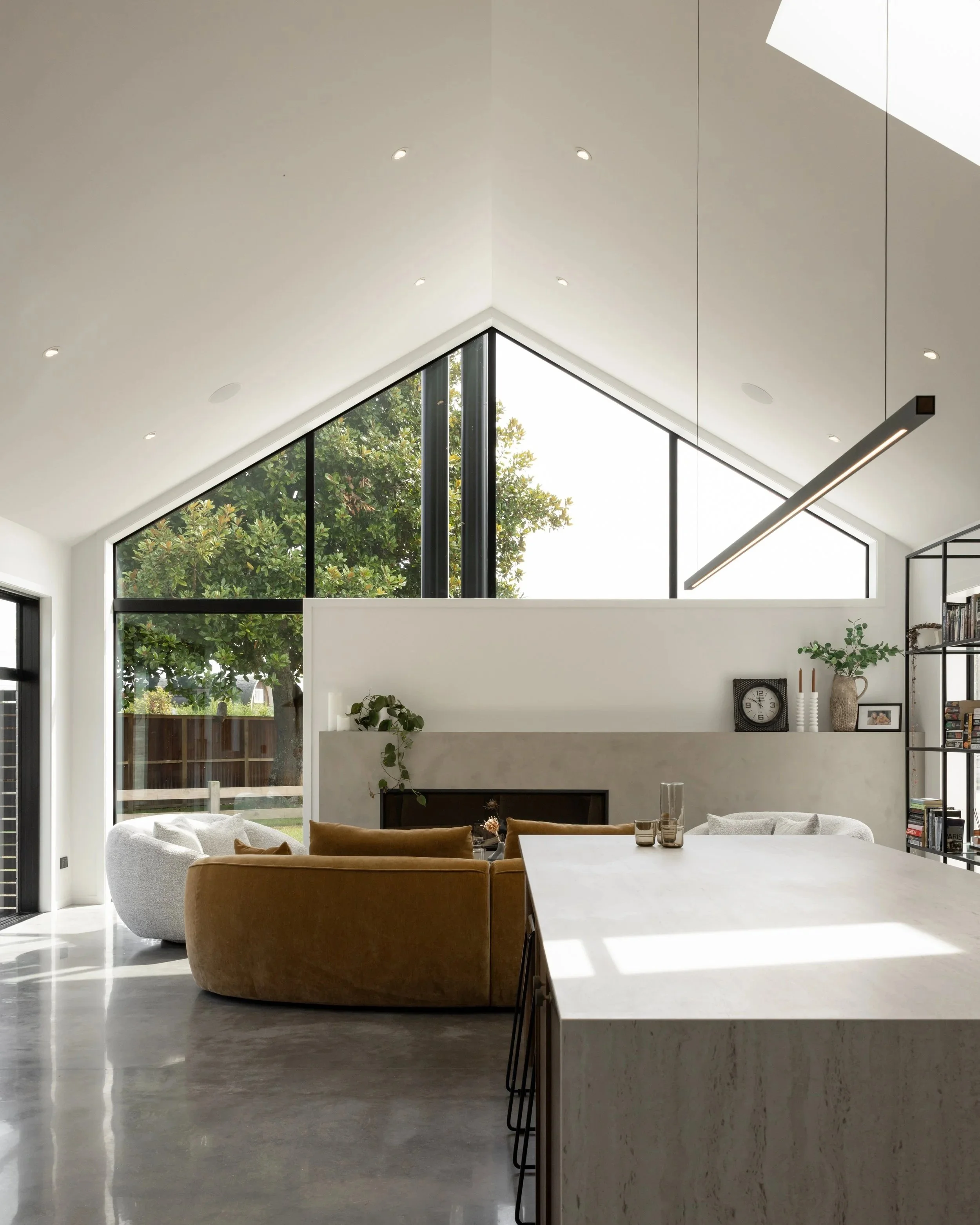
Performance starts with the basics: good insulation, quality double glazing, airtight construction and proper ventilation. Together with smart orientation and passive solar design, these keep a home warmer in winter, cooler in summer and free of the damp and mould that cause both health problems and long-term building issues. At Life on Thornton in Cambridge, a tall glazed gable and skylights pull daylight deep into the living pavilion, while the polished concrete floor helps store the sun's warmth through the day.
With a Qualified Homestar Designer leading our studio, we design to standards well beyond the minimum when clients want to go further. Even where a project simply meets the current H1 energy efficiency requirements of the Building Code, thinking about performance early means you get the most out of every dollar spent on the building envelope.
A warm, efficient home costs less to live in every month, and that's a feature future buyers increasingly look for.
Resale value starts with thoughtful design.
When your home is designed to perform well today, it naturally appeals to tomorrow’s buyers.
The result is a home that’s enjoyable to live in, resilient over time, and well positioned for the future.
Frequently asked questions
-
The features that are hardest to change later tend to add the most lasting value: orientation to the sun, a well-planned layout, good indoor-outdoor flow and solid thermal performance. Finishes can be upgraded over time; the bones of the design can't.
-
A good designer helps you get the most from your site and budget, avoiding costly mistakes that are hard to undo. A home designed around its site, with considered light, layout and materials, generally stands out from a standard plan placed on a section.
-
Not necessarily. Many of the most valuable decisions, like where the living room sits or how the rooms are arranged, cost nothing extra when they're made at the design stage. Good design is about spending your budget where it matters most.
-
Natural light, indoor-outdoor flow, a warm and dry home, practical storage and flexible spaces such as a second living area or home office consistently rank highly with buyers.
-
Yes. A renovation is a great opportunity to improve light, open up flow to the outdoors, add storage and upgrade insulation and glazing, often transforming how an existing home lives and performs.
Let's talk about your project
It all starts with you. Whether you're weighing up a section, planning an alteration or ready to start a new build, we'd love to hear about it. Get in touch with our Bay of Plenty or Waikato team for a coffee and a chat about how we can design a home that works for you today and holds its value tomorrow.