

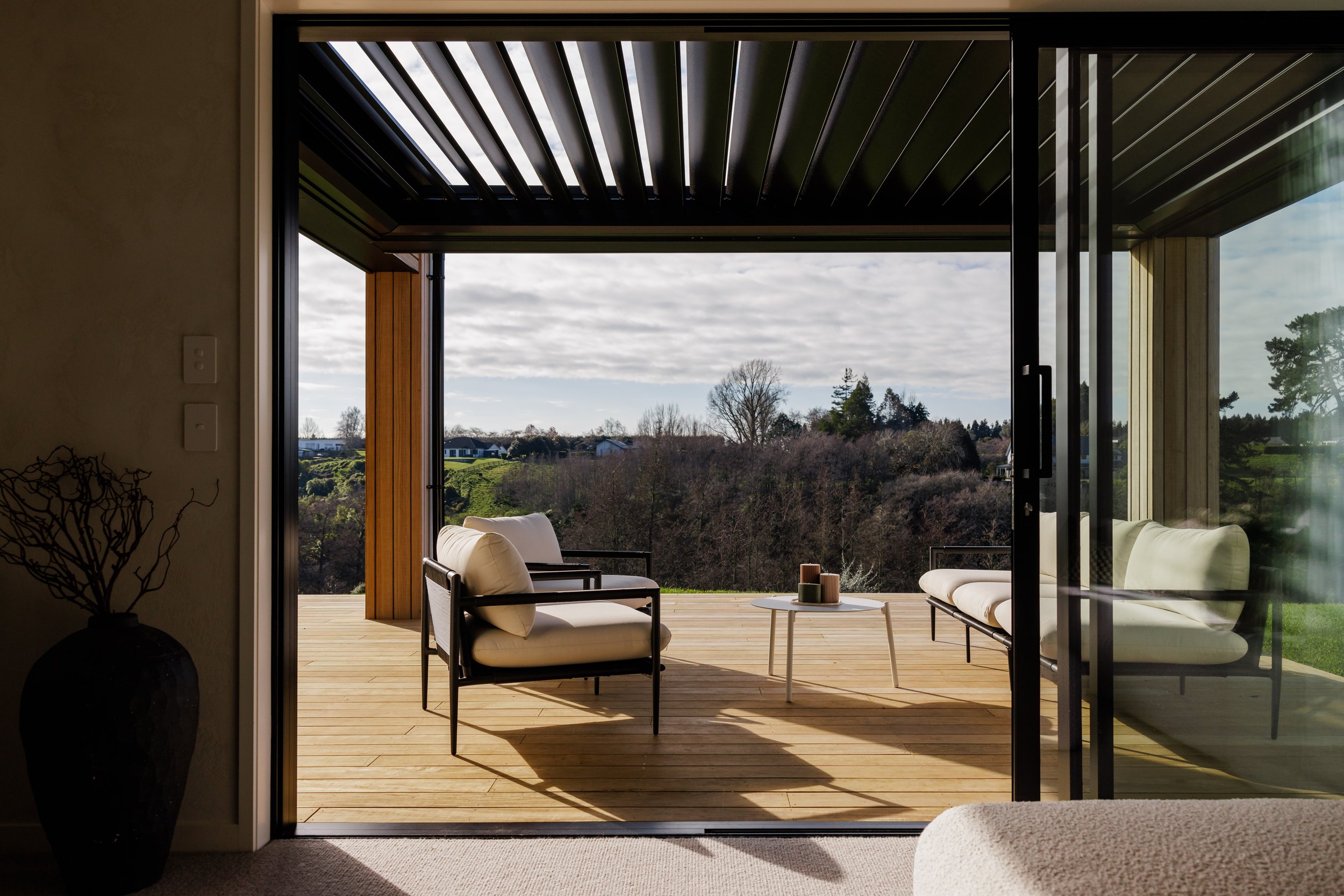
Ageing in place means being able to live safely, comfortably and independently in your own home as you get older. It's closely linked to universal design: designing homes that work for people of all ages and abilities.
And it's not just about older age. The same features help:
Families with young children and prams
Anyone recovering from an injury or surgery
Multigenerational households, with parents or grandparents living with you
Friends and family with limited mobility who come to visit
Why design for it now?
Because it costs very little to include at the design stage, and a lot to retrofit later. Widening doorways, moving a bathroom downstairs or replacing a shower once a home is built is expensive, disruptive and sometimes simply not possible.
If you're building or renovating anyway, a few early decisions can save you from having to move, or renovate again, down the track.
Key features of a home for life
Getting in and out
Step-free entry from the car park or driveway to the front door
A covered entrance, so you're not juggling keys in the rain
Parking close to the door, with space to open car doors fully
Wide, even paths with good lighting
Living on one level
The most important decision is often where the essentials sit. Ideally, a bedroom, bathroom, kitchen, living area and laundry are all on the entry level.
If your home has more than one storey, plan for the future:
A straight staircase with a sturdy handrail on both sides, suitable for a stairlift later
Stacked cupboards on each floor that could become a lift shaft if needed
A downstairs room that could easily become a bedroom
Moving around inside
Wider doorways and hallways, comfortable for a walker or wheelchair
Lever door handles and taps, which are easier to use than knobs
Smooth transitions between rooms, with no trip hazards at thresholds
Space to turn around in key rooms
The bathroom
This is where good design matters most.
A level-entry shower with no step or lip
Reinforced walls behind the shower and toilet, so grab rails can be added easily later
Slip-resistant flooring
Enough space to move around comfortably, including with support
The kitchen
Drawers instead of low cupboards, so you're not bending to reach the back
Storage at easy-to-reach heights
A wall oven at a comfortable height
Good task lighting over benches
Light, warmth and controls
Plenty of natural light and good artificial lighting
Light switches and power points at easy-to-reach heights
Sensor lighting for night-time trips to the bathroom
A warm, dry, well-ventilated home, which matters more as we age. A Homestar-rated design can help here too.

Does it have to look like a hospital?
Not at all. Step-free entries, wide hallways, open-plan living and walk-in showers are features people already love in contemporary homes. Universal design is mostly about putting space in the right places. With a thoughtful designer, you get a home that's beautiful, practical and future-ready, without a grab rail in sight until you need one.
What is Lifemark?
Lifemark is an independent New Zealand rating for homes designed around universal design principles: adaptability, accessibility, usability, safety and lifetime value. Homes can be rated 3, 4 or 5 stars, and the standards sit above the Building Code.
A Lifemark rating isn't required, but it's a useful benchmark when planning a home for life. It can also help when you come to sell, by showing buyers the home will work for them long term.
Who should be thinking about this?
Downsizers and people moving to the Bay of Plenty for retirement, building what may be their last home
Families planning for multigenerational living, or building a minor dwelling for parents
Anyone building a forever home, who would rather design for the future now than renovate later
Developers and investors, as demand grows for homes that suit older buyers
How we can help
Our team has designed homes for every stage of life, from first homes to retirement villages in Waikanae and Ōmokoroa. We'll help you work out which features matter for you now, which to plan for later, and how to build them in without compromising on design.
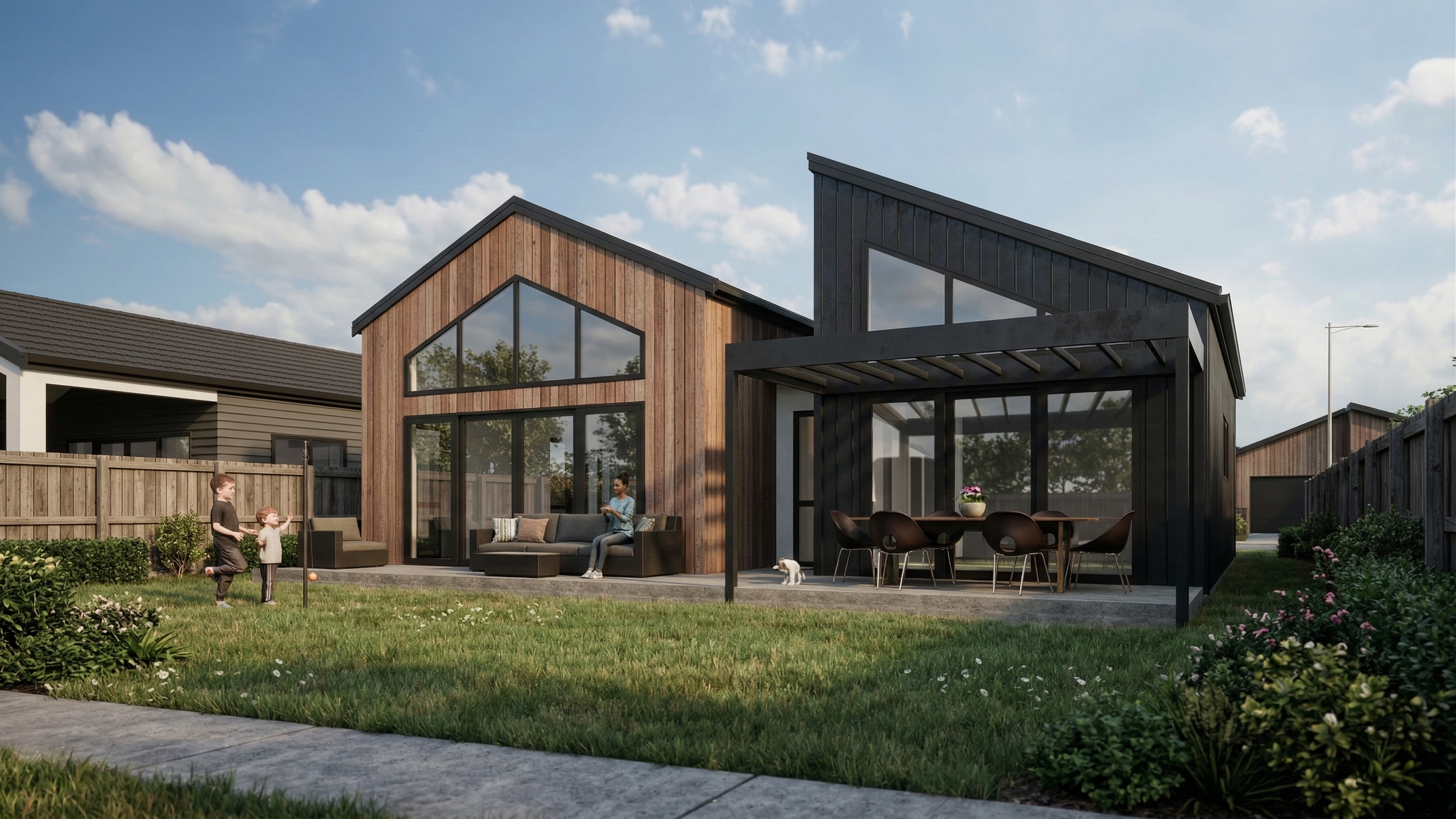
Let's design your home for life
It all starts with you. If you're planning a new home or renovation in the Bay of Plenty or Waikato and want it to work for the long haul, get in touch with our team.
THE EVOLUTION OF GREAT DESIGN